
When most people think about theological education, they probably think about seminary. A student enrolls in a school, attends classes taught by trained professors, completes assignments, and spends several years preparing for ministry. For many Christians, this has been an excellent way to prepare pastors, missionaries, and other ministry leaders. Seminaries continue to play an important role in theological education and in the life of the church. But what happens when a pastor is already leading a church and cannot leave? That is the situation faced by many pastors around the world. They may live hundreds of miles from a theological school. The financial cost of relocating may be impossible. They may have families to support and jobs in addition to their pastoral responsibilities. Most importantly, they may already be shepherding churches that need them. Leaving for several years of residential study may simply not be a realistic option.
Modular Theological Education offers another approach. In Modular Theological Education, or MTE, theological training is brought closer to the pastors and church leaders who need it. Rather than requiring students to relocate for an extended period, teachers travel to a location where a group of ministry leaders can gather. For a concentrated period of time, those students study Scripture, theology, and practical ministry together. When the module concludes, they return to their churches and continue serving. Later, they gather again for another period of concentrated instruction. Over time, these modules build upon one another and provide substantial theological preparation without requiring pastors to step away from their ministries for several years. This approach makes theological education accessible, but accessibility alone is not what makes MTE valuable. At Tri-M Global, we want theological education to remain closely connected to the place where it matters most: the actual ministry of the local church.
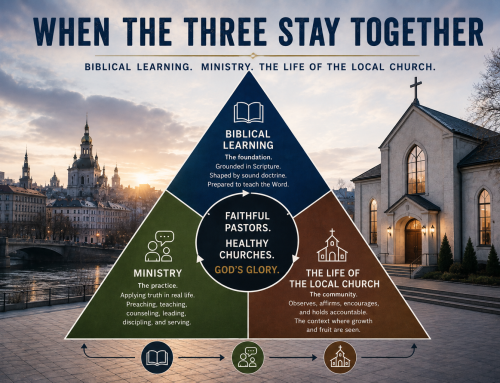
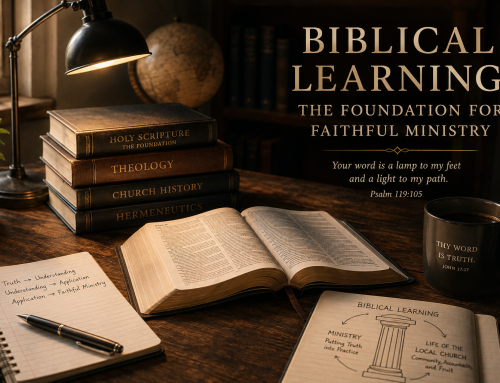
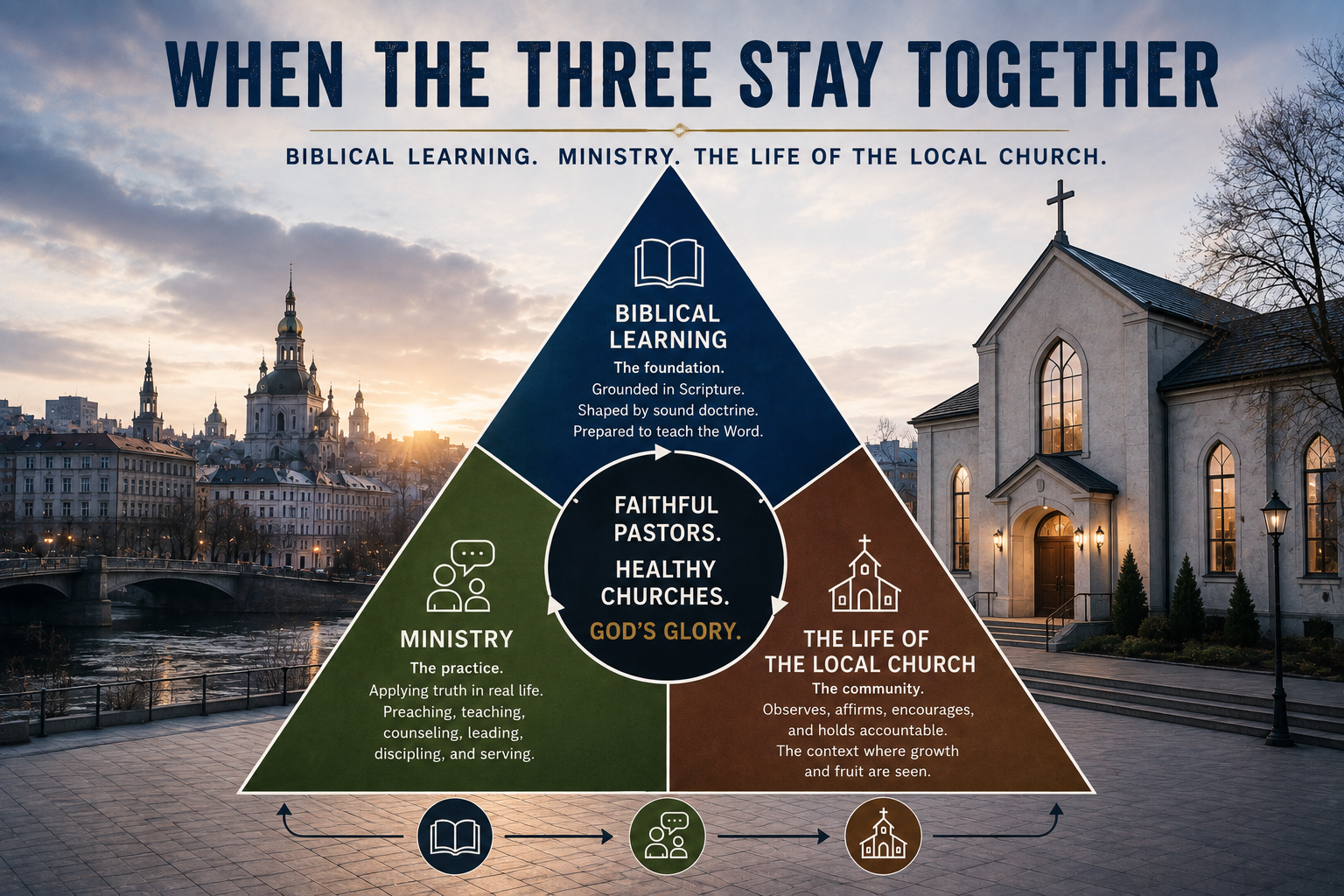
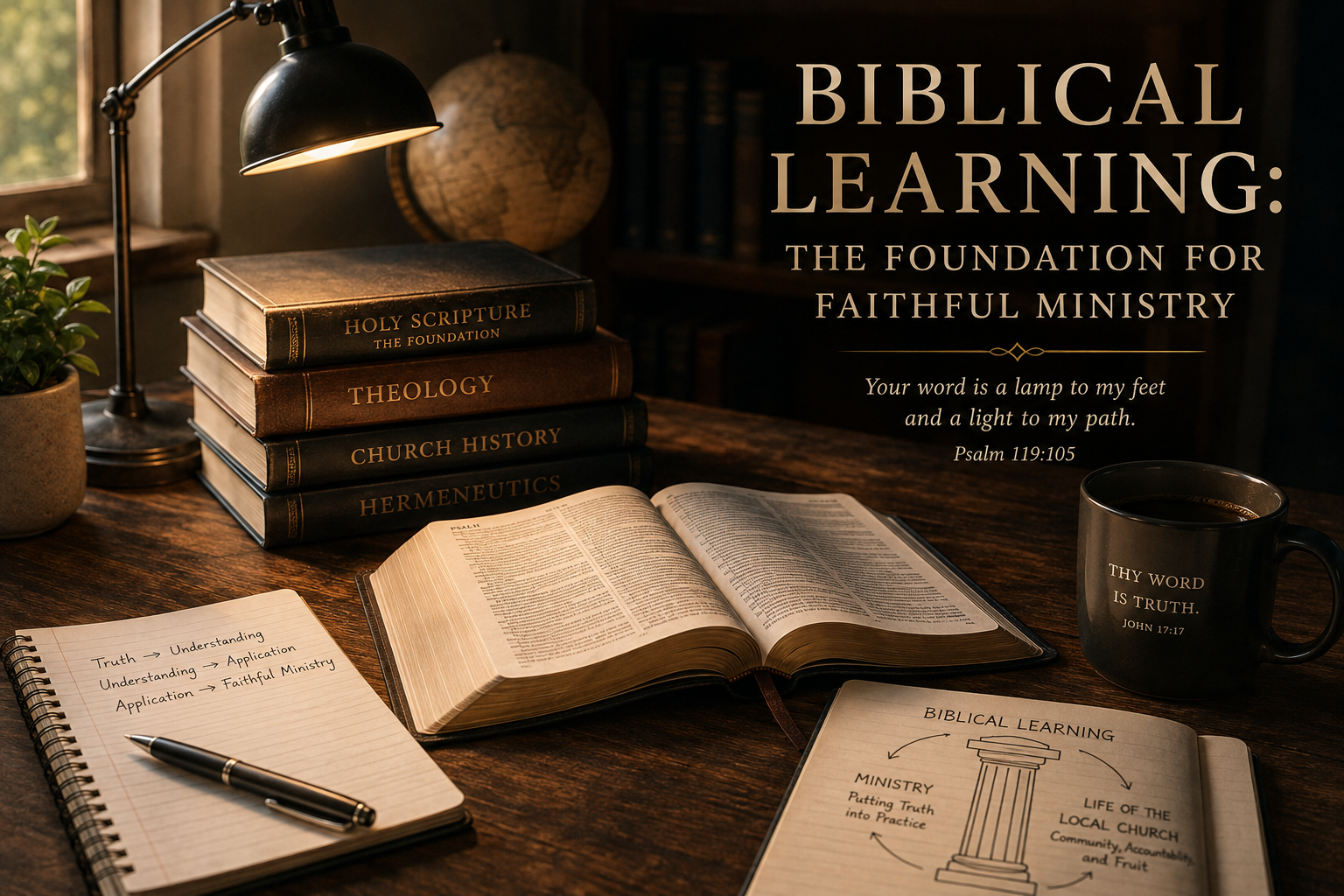
We think about that relationship in terms of three interconnected areas: biblical learning, active ministry, and the life of the local church. Biblical learning is essential because ministry leaders need more than experience and good intentions. They need to understand the Bible. They need sound doctrine. They need to know how to interpret Scripture carefully, think theologically, and communicate biblical truth faithfully to others. A pastor responsible for teaching God’s Word should continue to grow in his understanding of that Word. MTE provides concentrated opportunities for pastors to step away briefly from the demands of everyday ministry and focus their attention on Scripture and theology. Yet they do so knowing that they will soon return to their churches, where what they are learning will have immediate significance.
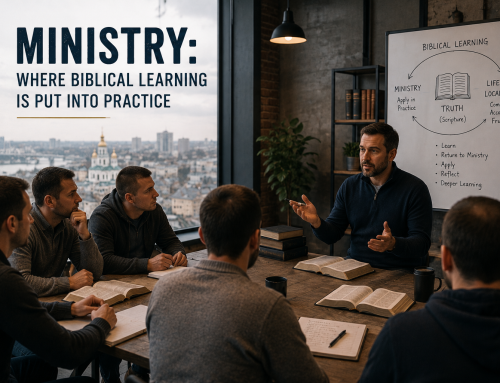
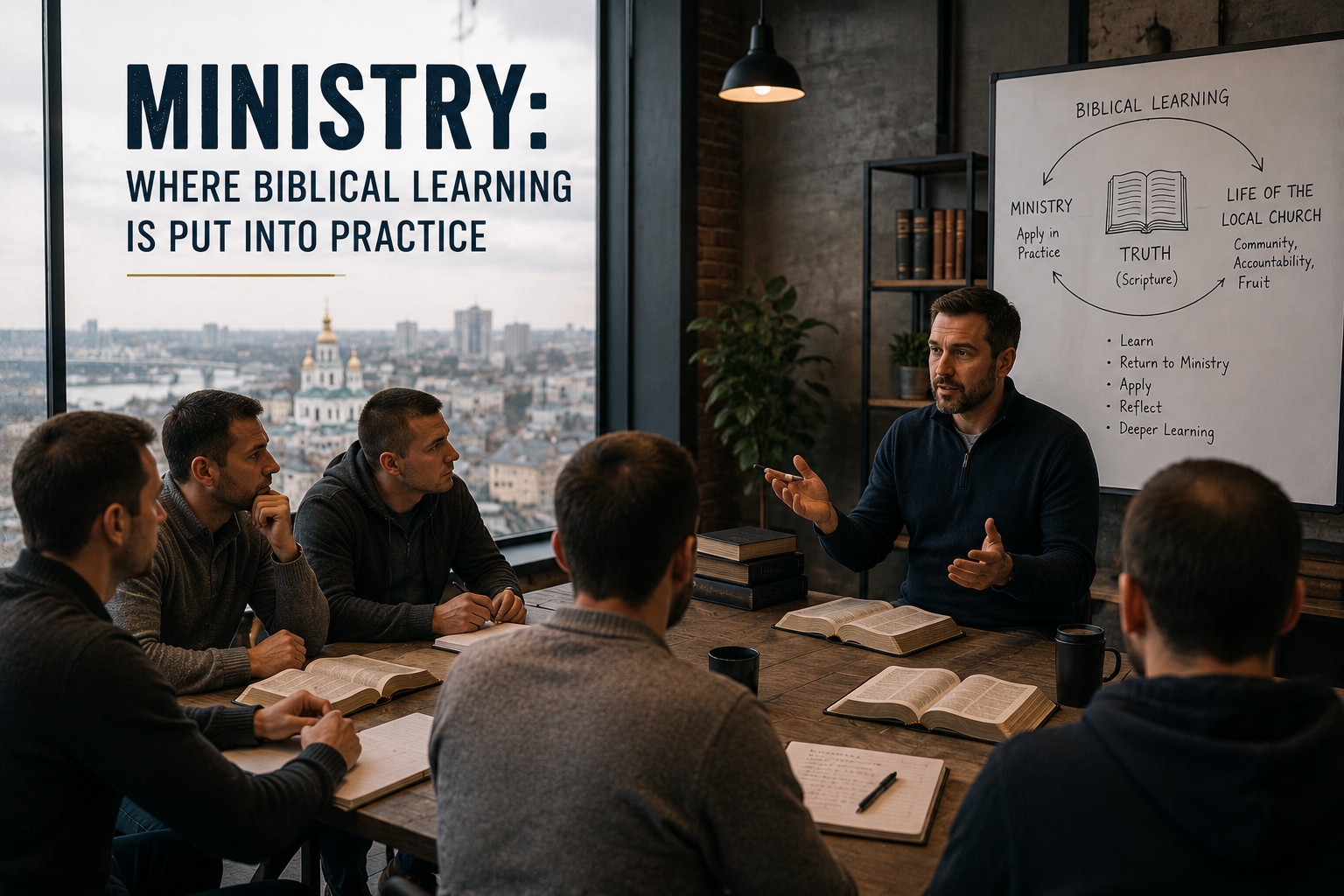
Active ministry is therefore an important part of the process. The pastors and leaders participating in MTE are usually already serving. They are preaching sermons, discipling believers, counseling families, evangelizing their communities, making leadership decisions, and dealing with the everyday problems that arise in a congregation. They do not have to wait until graduation to discover whether something they have learned is useful in ministry. They may be putting it into practice within days. Imagine a pastor spending a week studying the doctrine of the church. During that module, he examines what Scripture teaches about the nature and purpose of the church, leadership, membership, discipleship, and ministry. At the end of the week, he does not move on to another semester of campus life. He goes home to a congregation. Now those theological questions have names and faces attached to them. He must preach. He must lead. He must disciple people. He must make decisions. He must help his congregation understand what it means to function faithfully as a church. What he has studied is no longer merely information contained in his notes; it becomes something he must apply in ministry.
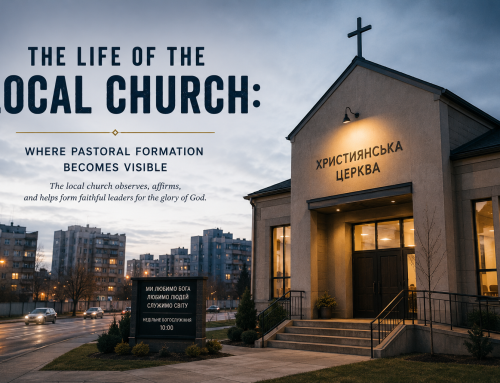
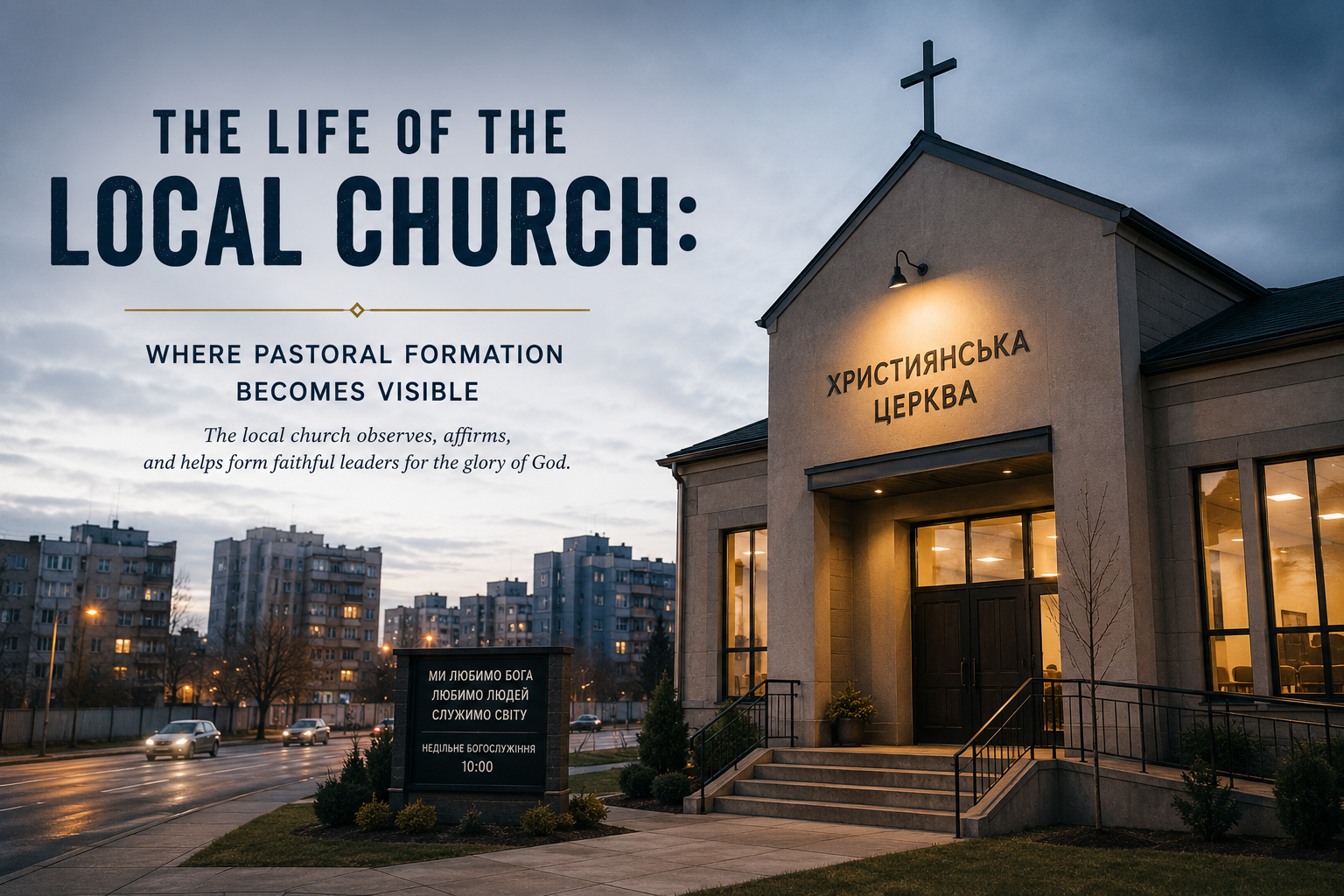
The life of the local church adds another important dimension. A pastor’s preparation does not happen only when a teacher is standing in front of him. It also happens as he lives and serves among God’s people. The church is where his teaching is heard, his leadership is exercised, his character is seen, and his ministry is tested over time. Theology moves from the classroom into relationships, decisions, sermons, counseling conversations, discipleship, and service. The church therefore does more than benefit from the pastor’s education. It provides the environment in which much of that education is applied and developed. The pastor is learning while serving, and his ministry provides continual opportunities for biblical truth to move from something he understands intellectually to something that shapes how he shepherds God’s people.
When the pastor returns for another module, he does not arrive with only the knowledge he gained previously. He also brings months of ministry experience with him. He has encountered new questions. He has tried to apply what he learned. He has faced situations he did not anticipate. He may now understand why something discussed in the previous module was so important, or he may have discovered areas in which he needs additional instruction. He is ready to learn again, but he is learning as someone who has been actively putting previous instruction into practice. Over time, a pattern develops. Pastors learn, return to ministry, serve within their churches, and then come back for additional instruction. Biblical learning informs ministry, ministry takes place within the life of the local church, and the experiences of church ministry create new opportunities for deeper learning. Education and ministry continually interact rather than existing as two separate stages of life.
Second Timothy 2:2 captures something important about what we hope this process produces. Paul instructed Timothy, “What you have heard from me in the presence of many witnesses entrust to faithful men, who will be able to teach others also.” There is multiplication built into Paul’s instruction. Paul taught Timothy. Timothy was responsible to entrust what he had received to faithful men. Those faithful men were then expected to become capable of teaching others. The process was never supposed to end with the person who received the instruction. Biblical truth was to be learned faithfully and then passed on faithfully. That principle is central to the way we think about theological education. The goal is not merely to increase the knowledge of the individual student but to equip that student so that what he has learned can strengthen others.
That is the kind of multiplication we want theological education to produce. We certainly want pastors to know more when they finish an MTE program than when they began. We want them to understand Scripture more carefully and theology more deeply. But increased knowledge is not the final measure of success. We want what they learn to affect their preaching, leadership, discipleship, counseling, and the overall health of their churches. Ultimately, we want those pastors to become better equipped to teach and develop others. In this way, the influence of theological education can extend far beyond the students sitting in the classroom. A teacher equips a group of pastors. Those pastors return to their churches and teach their congregations. They disciple emerging leaders. Some of those leaders eventually teach and equip still others. The education of one pastor can therefore contribute to the strengthening of an entire congregation and, over time, to the preparation of another generation of ministry leaders.
That is the vision behind Modular Theological Education. It is not an attempt to replace seminaries or suggest that there is only one legitimate way to prepare people for ministry. Instead, it provides another means of bringing serious biblical and theological education to pastors and church leaders while allowing them to remain deeply connected to the ministries and churches God has already entrusted to them. At its best, MTE intentionally brings together biblical learning, active ministry, and the life of the local church so that each strengthens the others. The goal is not simply to conduct modules, teach courses, or award certificates. The goal is to help develop faithful, biblically grounded ministry leaders whose learning strengthens their service, whose service strengthens their churches, and who are increasingly prepared to teach others also.