When we talk about preparing pastors and ministry leaders, one of the most basic questions we must ask is also one of the most important: What does a pastor need to know? That question has shaped theological education for centuries. It explains why we teach biblical survey, theology, hermeneutics, church history, homiletics, pastoral ministry, and a host of other subjects. Before a pastor can faithfully teach the Word of God, he must know the Word of God. Before he can help others understand Christian doctrine, he must understand that doctrine himself. Before he can lead a church according to biblical principles, he must know what Scripture teaches about the church.
That may seem obvious, but it is worth emphasizing because ministry is intensely practical. Pastors deal with people, problems, decisions, relationships, budgets, conflict, suffering, discipleship, preaching, counseling, leadership, and countless other responsibilities. The practical demands of ministry can become so immediate that theological learning begins to feel secondary. When someone is sitting across the desk asking for help with a broken marriage, the pastor may not immediately think about systematic theology. When a church is divided over a difficult issue, an academic discussion about ecclesiology may seem far removed from the problem at hand. Yet those are precisely the moments when biblical and theological foundations matter most.
Consider the doctrine that human beings are created in the image of God. At first glance, that may appear to be a theological concept that belongs primarily in a classroom or a doctrinal statement. In reality, it profoundly affects ministry. It shapes how we think about human dignity and worth. It influences how we minister to the poor, the disabled, the elderly, the unborn, the immigrant, the suffering, and those whose lives may look very different from our own. It affects how a pastor counsels a struggling marriage, how a church thinks about racial and cultural differences, and how Christians understand both the dignity and brokenness of humanity. A biblical doctrine becomes the foundation from which countless ministry decisions are made.
The same is true throughout theology. What a pastor believes about sin will shape the way he counsels people. What he believes about salvation will shape the way he evangelizes. What he believes about sanctification will shape the way he disciples believers. What he believes about Scripture will shape his preaching. What he believes about the church will shape his leadership. What he believes about God will ultimately shape everything else.
This is why practical ministry cannot replace biblical learning. A pastor may possess remarkable leadership abilities and still lead his church in the wrong direction. He may be a gifted communicator and communicate ideas that are not faithful to Scripture. He may be compassionate, organized, creative, and persuasive. Those are valuable qualities, but none of them determines whether his ministry is biblically faithful. Christian ministry requires more than knowing how to lead people. A pastor must know where he is leading them.
The danger is particularly evident when we evaluate ministry primarily by results. Churches understandably want ministries to be effective. We want people to attend, believers to grow, leaders to develop, and churches to flourish. But visible effectiveness cannot be the final measure of faithfulness. An idea can attract people without being biblical. A leadership strategy can produce organizational growth without producing spiritual maturity. A sermon can be emotionally compelling without faithfully explaining Scripture. A program can be successful by almost every measurable standard while still being disconnected from the purposes God has established for His church.
The first question, therefore, cannot simply be, Does it work? The Christian minister must first ask, Is it true? That question forces us back to Scripture.
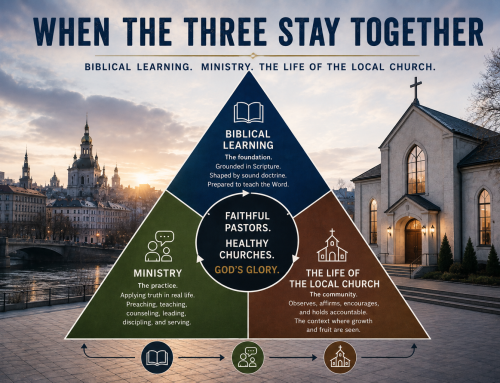
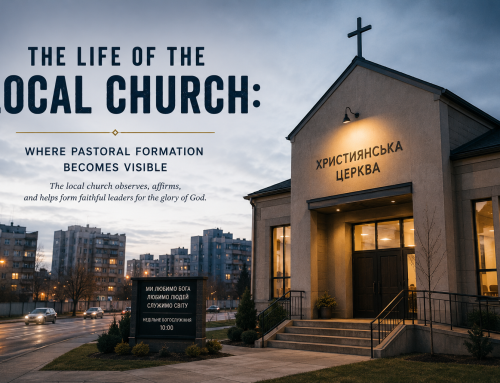
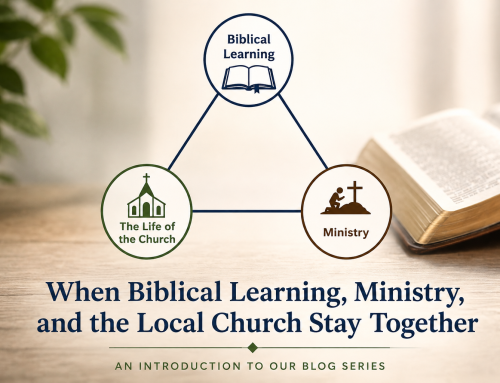
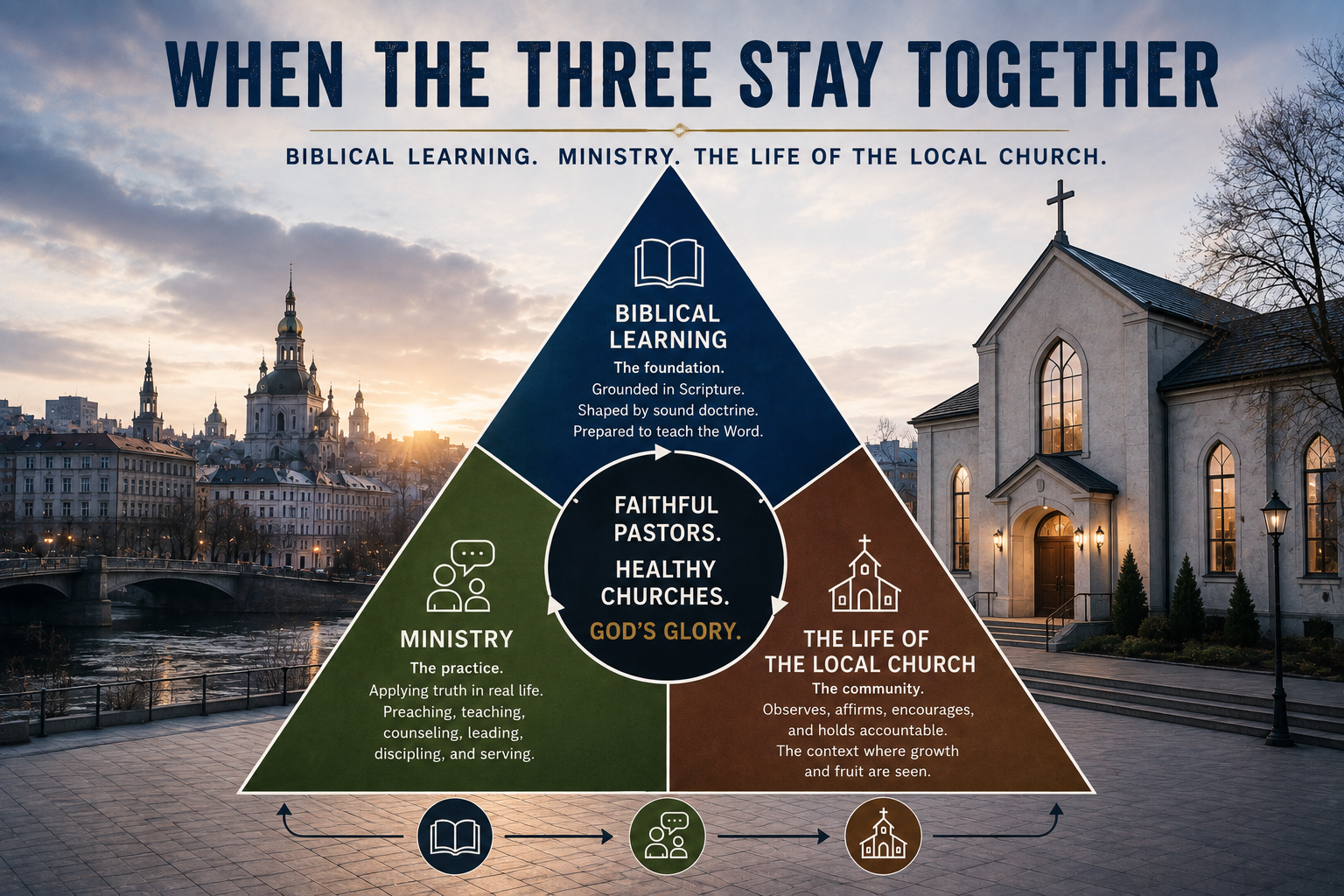
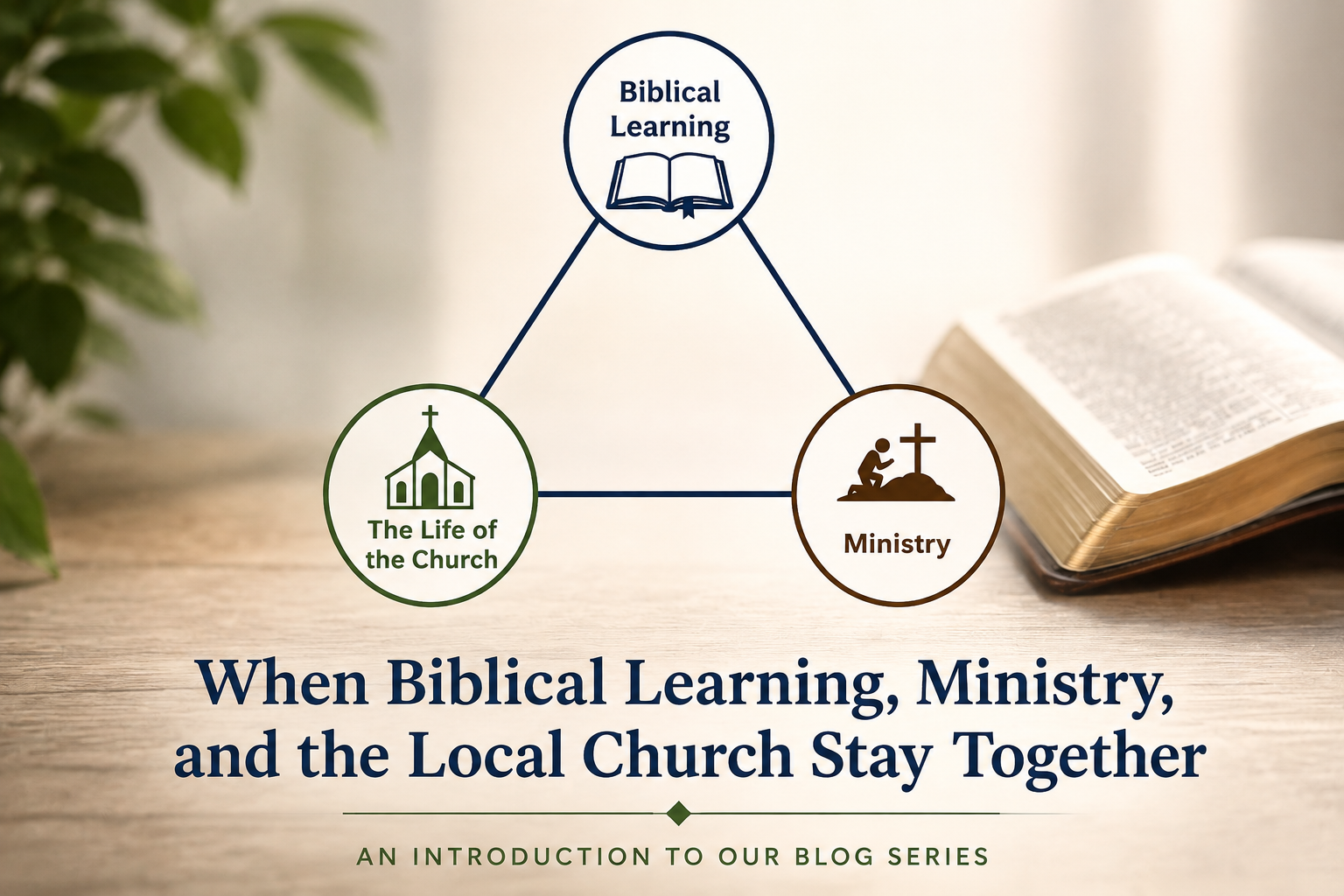
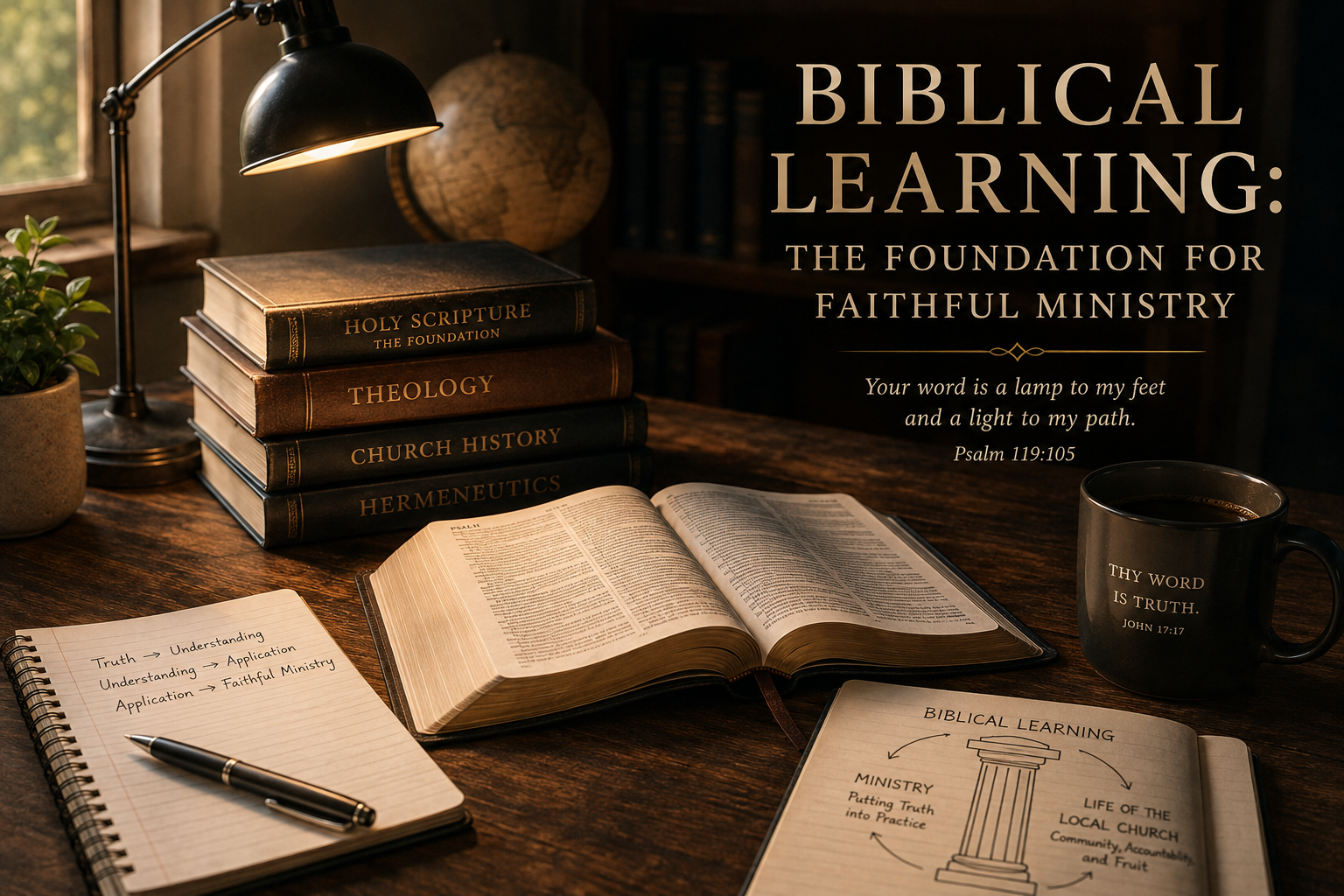
This is one of the reasons biblical learning occupies the first position in the framework I introduced in the previous post. Biblical learning, ministry, and the life of the local church belong together, but they do not perform identical functions. Biblical learning provides the theological foundation upon which ministry is built. It establishes the truth that governs our practice. Ministry gives us the opportunity to put that truth into practice, and the local church provides the community in which much of the fruit of that learning becomes visible. But if the biblical foundation is removed, the other two components lose the standard by which they are ultimately evaluated.
Second Timothy 2:2 provides a helpful picture of this relationship. Paul tells Timothy, “And the things which you have heard from me in the presence of many witnesses, entrust these to faithful men who will be able to teach others also.” There is an unmistakable concern for the transmission of truth. Timothy had received something from Paul. He was responsible to entrust that same truth to faithful people, who would then become capable of teaching others. The pattern is not simply one of leadership development. It is the faithful transmission of apostolic teaching from one generation of leaders to another.
That means theological education must care deeply about content. There is something to be learned, understood, guarded, taught, and passed on. We cannot reduce pastoral preparation to leadership development or ministry technique because the pastor is a steward of truth. He is responsible for understanding the Scriptures and faithfully teaching them to others.
Yet biblical learning involves more than accumulating information. This distinction is essential. A student can memorize theological terminology, reproduce definitions, pass examinations, and still fail to understand how those truths should shape his life and ministry. Knowledge is necessary, but Christian education seeks something deeper than information transfer. The goal is not simply to produce pastors who know more. It is to prepare pastors who increasingly think biblically.
Thinking biblically means that Scripture begins to shape the categories through which a pastor understands the world around him. When he encounters a ministry problem, he does not begin merely by asking what another church has done or what leadership experts recommend. He begins to ask what Scripture says that might govern the situation. He learns to distinguish between a biblical principle and a personal preference. He becomes increasingly capable of evaluating cultural assumptions, ministry trends, and leadership philosophies through the lens of Scripture rather than simply adopting whatever appears effective.
That kind of discernment requires depth. It cannot be developed through a handful of isolated Bible verses attached to practical ministry principles. Pastors need to understand the storyline of Scripture. They need to know how individual passages fit within books and how those books fit within the larger biblical narrative. They need sound doctrine. They need to understand how theological conclusions are derived from Scripture rather than simply being handed a list of conclusions they are expected to affirm.
This becomes particularly important in cross-cultural theological education. I have had the privilege of teaching pastors and ministry leaders in different regions of the world, and every cultural context brings its own assumptions, traditions, pressures, and questions. The teacher brings cultural assumptions into the classroom as well. That reality makes Scripture even more important. The goal of theological education is not to reproduce a particular cultural expression of Christianity in another part of the world. The goal is to equip pastors to understand Scripture faithfully and apply it wisely within the context where God has placed them.
That distinction matters. A ministry practice that works well in an American suburban church may not transfer appropriately to a rural congregation in Latin America, a church in Central Asia, or a congregation in Eastern Europe. Even within the same country, churches may face very different circumstances. If theological education consists primarily of transferring ministry methods, it will always struggle when the context changes. But if pastors are equipped to understand Scripture, they possess something far more durable. They can wrestle with their own ministry questions using biblical truth.
This changes the role of the theological educator. The goal is not merely to tell pastors what to do. It is to help them understand the Scriptures well enough that they can increasingly make faithful ministry decisions themselves. We want pastors who can open the Bible, study it carefully, understand what it says, communicate it accurately, and bring its truth to bear upon the needs of the people they serve.
This is also why biblical learning should create a desire for continued learning rather than a sense that education has been completed. No theological program can teach a pastor everything he will need to know throughout a lifetime of ministry. Even the most comprehensive degree has limits. New questions arise. Ministry circumstances change. Difficult passages demand further study. Pastors encounter theological issues they have never previously considered. The objective, therefore, cannot be to provide every answer a pastor will ever need. Part of our responsibility is to develop pastors who know how to continue learning.
I have seen this happen in the lives of pastors we have taught. A modular course sometimes becomes the beginning rather than the end of a pastor’s theological education. Exposure to serious biblical study awakens an appetite for more. A pastor begins reading more carefully, asking better questions, seeking additional resources, and sometimes pursuing further formal education. That should not be viewed as a failure of modular education, as though additional study demonstrates that the original training was insufficient. Quite the opposite. Good theological education should produce learners who recognize how much more there is to learn. But this brings us to an important limitation. Biblical learning by itself is not enough.
A pastor can know theology and still struggle to minister faithfully. He can understand the doctrine of the church without knowing how to shepherd one. He can explain biblical counseling without knowing how to sit patiently with a suffering person. He can articulate a theology of discipleship without actually making disciples. He can understand the qualifications for church leadership in 1 Timothy and Titus while failing to embody those qualities himself. That does not expose a weakness in biblical learning. It reminds us of its purpose.
Biblical truth is intended to shape life and ministry. The goal is not less theology but theology brought into faithful practice. We do not solve the problem of knowledge without application by reducing the amount of knowledge. We solve it by reconnecting what is learned with the ministry for which it is learned. This is why I continue to place biblical learning at the top of the triangle. It is foundational. Ministry must be rooted in truth rather than mere pragmatism. Pastors must know Scripture, understand doctrine, develop theological discernment, and learn to evaluate ministry through biblical categories. Without that foundation, we may produce capable leaders, effective communicators, or skilled administrators, but we have no guarantee that we are preparing faithful shepherds.
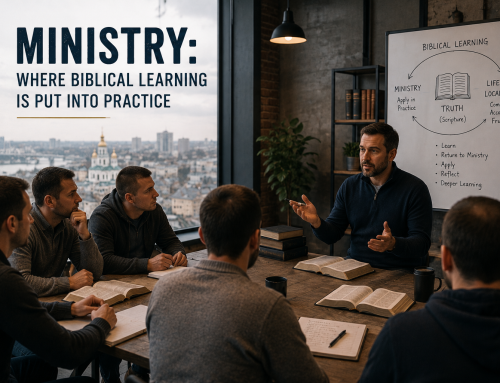
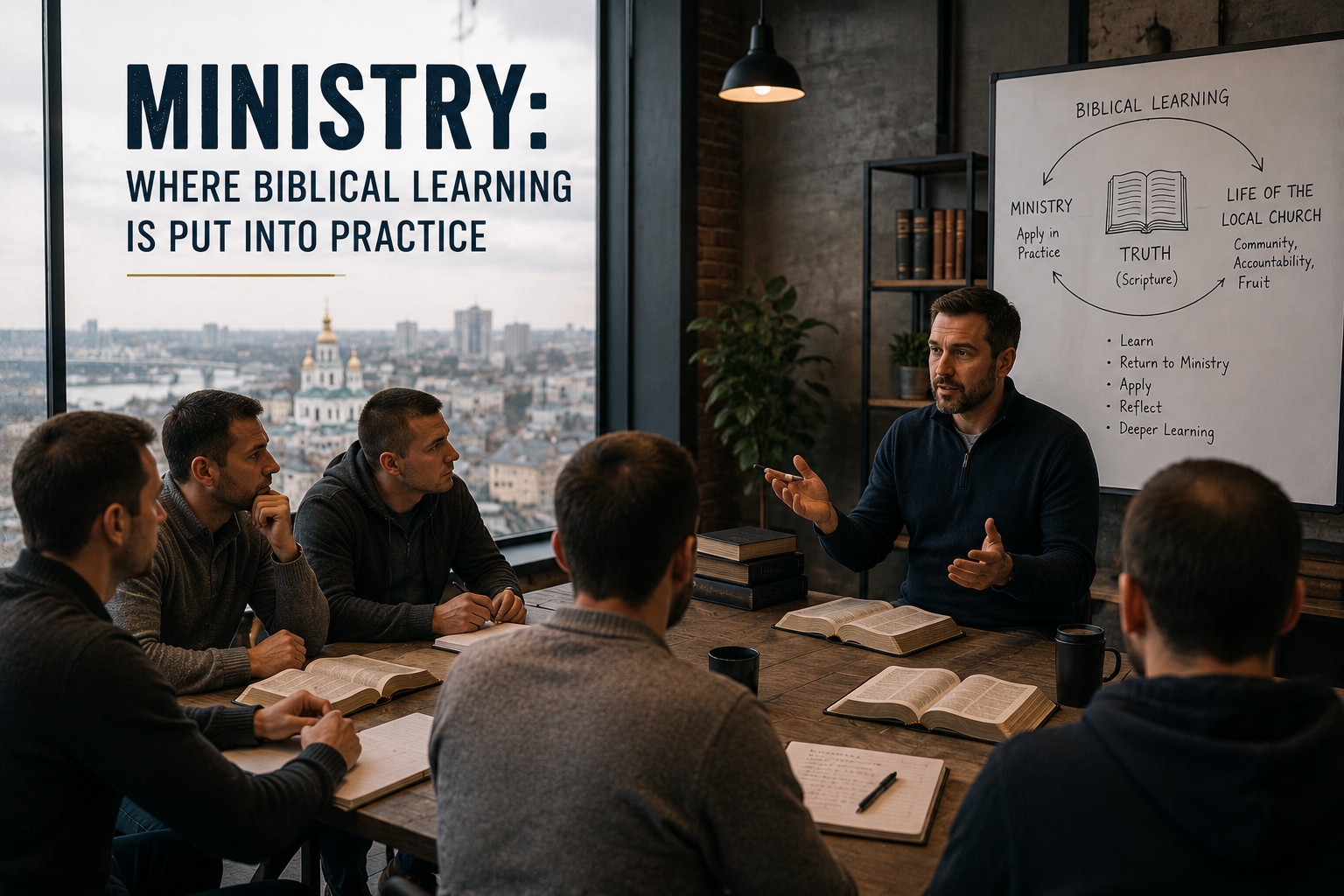
At the same time, the triangle reminds us that biblical learning was never intended to stand alone. The pastor must eventually close the notebook, leave the classroom, and step into the lives of people. The doctrine he has studied must enter his preaching, counseling, leadership, discipleship, and personal character. What he knows must begin shaping what he does. And that brings us to the second part of the framework. In the next post, we will turn from biblical learning to ministry and consider why theological education becomes particularly powerful when pastors have the opportunity to put what they are learning into practice as they learn.